How To Design An Outdoor Living Space That Fits Your Fort Collins Lifestyle

The best outdoor living space is designed around how you actually use your backyard, not around a checklist of popular features. Start by identifying your priorities, such as dining, entertaining, cooking, relaxing, gardening, or spending time around a fire feature. Colorado State University (CSU) recommends beginning landscape design with a site analysis and an end-user analysis so the finished space reflects the property’s conditions and the homeowner’s goals.
A cohesive design should connect patios, walkways, plantings, lighting, irrigation, and outdoor features rather than treating each as an isolated project. For Fort Collins properties, it’s also important to consider sun exposure, prevailing winds, drainage, water use, and seasonal temperature changes. Let’s jump into how to design an outdoor living space that works for you and your lifestyle.

How Should You Plan An Outdoor Living Space Around Your Lifestyle?
What Do You Want to Do in Your Outdoor Living Space?
Start by identifying the activities the backyard needs to support before selecting individual features. Common priorities include:
Outdoor dining
Cooking
Entertaining
Relaxing
Gardening
Children’s play
Fireside gathering
CSU describes landscape design as the creation of practical and pleasing outdoor living spaces based on the user’s wants, needs, and values. A couple who primarily relax outdoors may need a very different layout from a family that regularly entertains large groups.
How Should the Backyard Be Divided Into Outdoor Rooms?
Treat the backyard similarly to the interior of a home by creating different functional zones. Potential zones include:
Dining area
Lounge area
Outdoor kitchen
Fire feature
Lawn or play space
Garden area
CSU recommends defining planted and hardscape areas to create distinct outdoor rooms and to connect the spaces with walkways and logical traffic patterns. Keep the scale of each area proportional to the property and nearby structures.
How Do Sun, Wind, and Drainage Affect Patio Placement?
Observe where the yard receives morning and afternoon sun. Consider prevailing winds when locating dining spaces and fire features. CSU recommends evaluating seasonal sun and wind before deciding where outdoor activities should occur. Identify low spots and drainage problems before installing permanent hardscape. Use existing shade or strategically planned landscaping to improve comfort.
Which Outdoor Living Features Deliver The Most Everyday Value?
Which Features Should Homeowners Prioritize?
Patios and seating areas
Outdoor kitchens
Fireplaces or fire pits
Landscape lighting
Walkways
Shade structures
Water features
Planting beds
Why Should Function Come Before Adding More Features?
A smaller, well-designed patio can be more useful than a large space filled with disconnected amenities. Prioritize sufficient room for furniture and comfortable circulation. Avoid adding features simply because they are currently popular. Design choices should reflect household routines, available space, budget, and maintenance expectations.
Do Outdoor Improvements Add Value Beyond Resale?
According to research from the National Association of REALTORS® (NAR), homeowners who complete outdoor projects primarily do so to improve livability. Its Outdoor Features Remodeling Impact Report shows that 68% of surveyed owners said they had a greater desire to be home after completing an outdoor project, while 60% reported increased enjoyment of their home. Better functionality and livability were some of the most commonly cited benefits.
How Can Hardscaping Create Functional Outdoor Gathering Areas?
How Do Patios Define an Outdoor Living Space?
Patios create a stable surface for dining, seating, cooking, and entertaining. Patio size should reflect:
Furniture dimensions
Number of regular users
Traffic flow
Additional outdoor features
A unified material palette helps visually connect the patio to the home and the surrounding landscape.
How Can Walkways Improve Backyard Flow?
Connect frequently used areas instead of creating isolated spaces. Consider these connection points:
House to patio
Patio to fire feature
Outdoor kitchen to dining area
Patio to garden
Paths help direct traffic away from planting beds and reduce wear on turf. Walkway width and placement should accommodate the number of people who typically move through the space.
How Do Seating Walls and Retaining Walls Add Function?
Seating walls can provide permanent seating without adding more furniture. Retaining walls can help address elevation changes while defining outdoor rooms. Both can visually connect the materials used across patios and walkways. Proper drainage and construction are especially important for permanent hardscape features.
Why Should Lighting And Fire Features Be Planned Together?
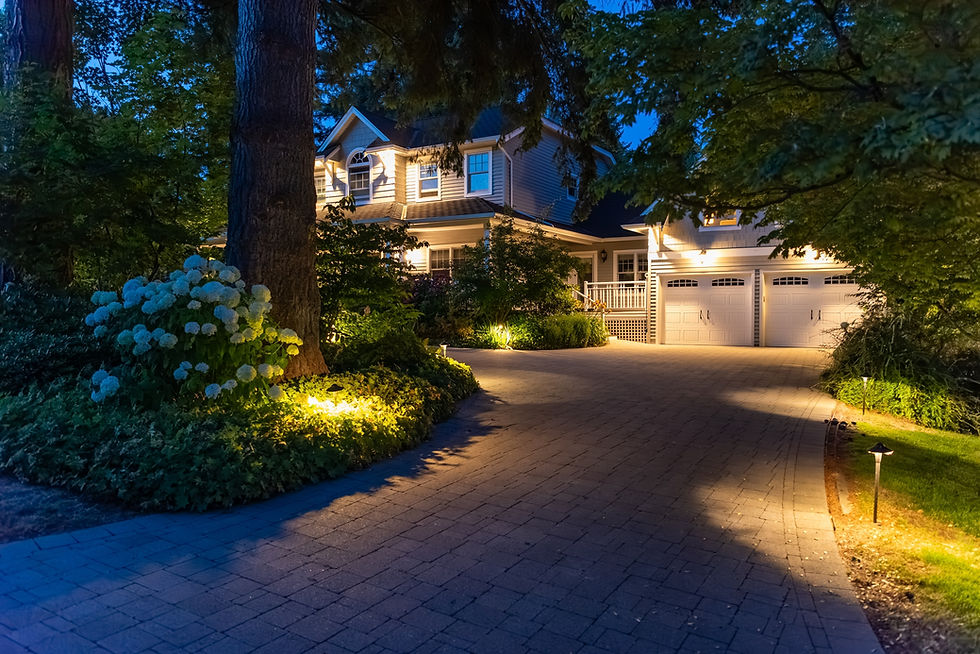
How Does Landscape Lighting Improve an Outdoor Living Space?
Landscape lighting extends the usability of patios after sunset. Use lighting to improve visibility around:
Steps
Walkways
Seating areas
Accent lighting can highlight landscape and architectural details without overwhelming the patio. DarkSky recommends using responsible lighting principles, including designing useful lighting that is targeted, no brighter than necessary, controlled, and warm-colored where possible.
How Should Lighting Be Designed Around a Fire Feature?
Allow the fire feature to remain the primary visual focal point.
Avoid excessively bright lighting immediately around the fireplace or fire pit.
Use lower-level lighting around nearby paths and seating.
Coordinate electrical planning, fixture placement, and fire-feature placement early in the design process.
Planning both together avoids having to retrofit wiring or relocate fixtures later.
What Should Fort Collins Homeowners Know About Fire Feature Placement?
Local safety requirements for fire features should be considered during the initial design rather than after construction. Poudre Fire Authority (PFA) regulates outdoor fireplaces and fire pits throughout its jurisdiction, including Fort Collins.
PFA guidance includes restrictions based on:
Distance from structures and combustible materials
Burn bans
Red Flag conditions
Wind
Incorporating those requirements early helps the fire feature fit safely into the overall patio plan.
Why Homeowners Trust Bath Landscape & Irrigation For Outdoor Living Design
Bath Landscape & Irrigation focuses on creating outdoor spaces that are both beautiful and functional. A complete outdoor living design can coordinate:
Patios
Walkways
Outdoor kitchens
Fire features
Landscape lighting
Water features
Planting beds
Professional planning helps ensure individual features work together rather than feeling like separate additions. We focus on sustainable, low-maintenance landscaping to help homeowners create outdoor spaces that better suit Northern Colorado conditions. Efficient irrigation and appropriate plant selection can be incorporated alongside patios and hardscaping from the beginning. We have experience helping homeowners translate their priorities into one cohesive backyard and outdoor living plan.
Resources:
Colorado State University Extension. "Water-Wise Landscape Design Steps"
Colorado State University Extension. "Landscaping for Energy Conservation"
National Associatio of Realtors®. "Remodeling Impact Report: Outdoor Features"
DarkSky. "Five Principles for Responsible Outdoor Lighting"