


Colorado Rain Garden: Expert Tips for Beautiful Plants

A Colorado rain garden is designed to capture and absorb runoff while supporting native, drought-tolerant plants that thrive in local conditions. When planned correctly, rain gardens reduce water waste, improve drainage, and create a beautiful, functional landscape suited to Northern Colorado.
Rain gardens are especially effective in regions like Fort Collins, where managing water efficiently is essential. By combining proper plant selection, soil preparation, and installation techniques, homeowners can create a landscape that works with the environment rather than against it.
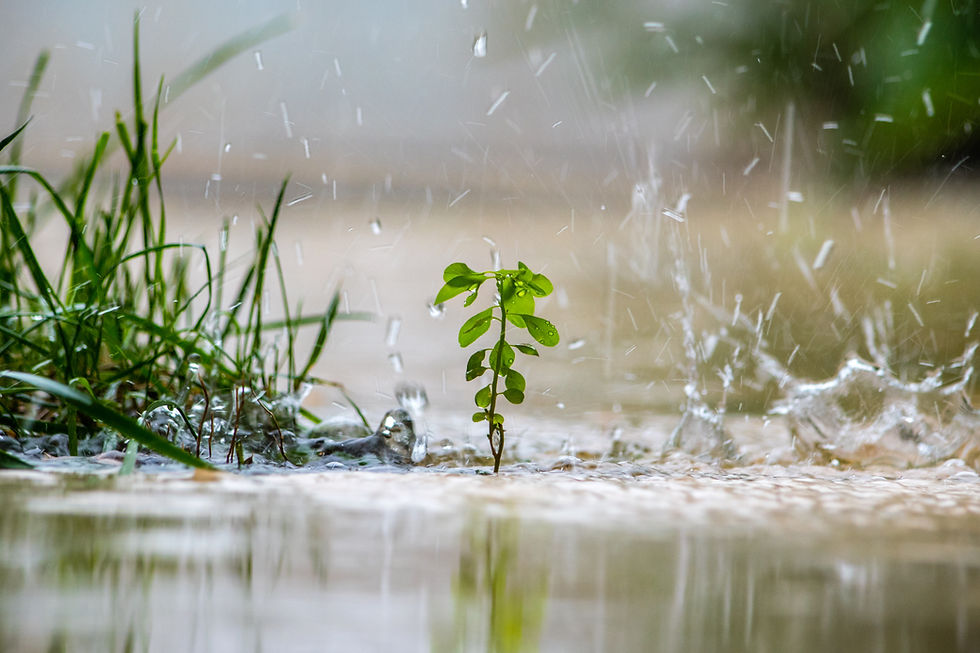
Research Your Plant Choices
Selecting the right plants is one of the most important steps in building a successful rain garden. Native and regionally adapted plants are typically the best choice because they can tolerate both wet and dry conditions.
Native Grasses for Structure and Drainage
Native grasses such as blue grama and switchgrass are commonly used in Colorado landscapes. These grasses develop deep root systems that improve soil structure and help water infiltrate more effectively.
Flowering Perennials for Seasonal Color
Perennials like coneflower and black-eyed Susan are often used in rain gardens because they can handle periodic moisture while adding color and visual interest.
Shrubs for Stability and Height
Shrubs can help anchor the design and manage runoff. Species adapted to Colorado’s climate provide structure while supporting pollinators and local wildlife.
Planting Tips for Long-Term Success
Group plants based on water tolerance, placing those that can handle more moisture in lower areas and drought-tolerant species on the edges. This approach helps the garden function more efficiently over time.
Water When There's No Rain
While rain gardens are designed to capture runoff, supplemental watering is still necessary during establishment. Newly planted vegetation needs consistent moisture to develop strong root systems.
Once established, most native and adapted plants require less frequent watering. Monitoring soil moisture and adjusting irrigation based on weather conditions helps maintain plant health without overwatering.
Use Mulch....Correctly
Mulch plays an important role in water conservation and rain garden performance, but it must be used properly to avoid limiting water infiltration.
Choose Organic Mulch Materials
Shredded wood mulch is commonly recommended because it allows water to pass through while helping retain moisture in the soil.
Apply Mulch at the Right Depth
A layer of about two to three inches is typically effective. Too much mulch can block water flow, while too little may not provide adequate moisture retention.
Avoid Floating Mulch
Lightweight mulch can shift during heavy rain. Heavier shredded mulch or bark products are less likely to move and maintain better coverage.
Keep Mulch Away from Plant Stems
Mulch should not be piled directly against plant bases, as this can trap moisture and lead to plant stress or disease.
Test Your Soil
Understanding your soil composition is essential for rain garden success. Soil testing helps determine how well water will infiltrate and whether amendments are needed.
Compost for Improved Soil Structure
Adding compost can improve soil texture and increase its water-holding capacity.
Sand for Drainage Improvement
In soils with high clay content, incorporating sand may help improve drainage and prevent water from pooling for too long.
Organic Matter for Long-Term Health
Organic materials support beneficial microorganisms and, over time, contribute to a more balanced soil environment.
Make Sure You Have Enough Drainage
Proper drainage is critical in a rain garden. The goal is to allow water to soak into the ground within a reasonable timeframe rather than letting it stand for extended periods. A well-designed rain garden typically includes a slight basin that captures runoff and gradually allows it to infiltrate. If drainage is too slow, adjustments to soil composition or grading may be necessary.
Remove Weeds and Invasive Plants
Weeds and invasive species can compete with rain garden plants for water and nutrients. Regular maintenance helps prevent these plants from becoming established. Early removal is key. Identifying and addressing invasive plants before they spread helps maintain the balance and effectiveness of the rain garden.
Rain Garden Installation with Bath Landscape & Irrigation
Installing a rain garden requires careful planning, from selecting the right plants to ensuring proper grading and drainage. At Bath Landscape & Irrigation, our team focuses on creating sustainable, low-maintenance landscapes that perform well in Northern Colorado conditions.
By incorporating native plants, efficient irrigation practices, and thoughtful design, our rain garden installations help homeowners manage water more effectively while enhancing the overall appearance of their outdoor space.
Resources: CSU Extension: Water-Wise Landscape Design: Steps https://extension.colostate.edu/resource/water-wise-landscape-design-steps/


